
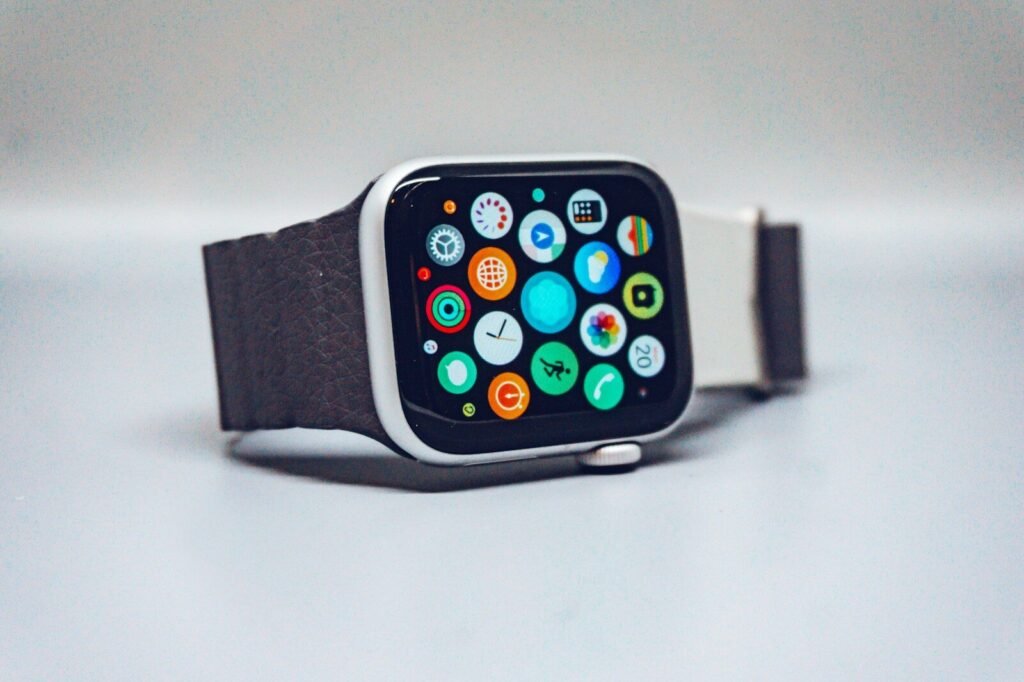
Smartwatches have grown up. What started as a novelty for notifications has become a genuinely useful device for fitness tracking, health monitoring, and everyday convenience. But the market is crowded with models ranging from budget fitness bands to luxury-tier flagships, and the feature lists all sound impressive. This guide cuts through the marketing to the features that actually affect your day-to-day experience, so you can buy the right watch without paying for gimmicks.
First: Decide What You Want the Watch For
The single most useful question is what problem you want the watch to solve. Fitness enthusiasts care about GPS accuracy, workout metrics, and battery life through long training sessions. Health-conscious buyers prioritize heart rate, sleep tracking, and sensor quality. Productivity-focused users want notifications, calls, calendars, and contactless payments from the wrist. Style-driven buyers mostly want something attractive that also handles basics.
Most people are a mix, but knowing your primary use keeps you from overpaying. A marathon runner and an office worker who occasionally jogs need very different watches, even if both like the look of the flagship.
Platform Compatibility: The Dealbreaker
Before comparing features, check ecosystem fit, because this is the one thing you cannot work around. Some watches only pair fully with specific phone brands. Certain models offer their best features exclusively on their maker’s phones, with limited functionality elsewhere.
The practical rule
Match the watch to your phone ecosystem unless you have a strong reason not to. A watch designed for your phone gives you better battery life, deeper integration, more reliable notifications, and features that work properly instead of partially. Switching phone brands and keeping the old watch is a recipe for frustration.
Cross-platform watches do exist and are good options if you switch phones often or use a less common brand. Just verify which specific features work with your exact phone before buying.
Battery Life: The Feature You Feel Every Day
Battery life is the most underestimated spec on the box, and it shapes your experience more than almost anything else. A watch that dies every night is a different product from one that lasts a week, regardless of what features they share on paper.
Daily charging vs weekly charging
Watches with bright, rich displays and lots of smart features typically need nightly charging. This is fine if you sleep with nothing on your wrist and have a charging routine, but it rules out sleep tracking unless you charge during the day. Watches with longer battery life enable continuous wear, which matters for sleep data and all-day health monitoring.
What affects real battery life
Always-on displays, GPS workouts, frequent heart-rate sampling, cellular connectivity, and music streaming all drain the battery faster than the headline figure suggests. Manufacturer claims usually assume moderate use. Read independent reviews that test battery life with realistic workloads, and decide which end of the spectrum fits your habits.
Health and Fitness Sensors That Matter
This is where smartwatches differ most, and where marketing is thickest. Here is what is genuinely useful.
Heart rate: the foundation
Optical heart-rate sensors are now standard, but quality varies. Good sensors track steadily during workouts and rest; weak ones lose lock during movement or on darker skin tones. If heart data matters to you, look for reviews that specifically test sensor accuracy against a chest strap, the gold standard.
GPS: essential for outdoor training
If you run, cycle, or hike, dedicated multi-band GPS is worth seeking out. It keeps tracks accurate in cities with tall buildings and under tree cover, where basic GPS wanders. If your workouts are mostly indoor, your phone’s GPS or the gym equipment is fine, and you can save money here.
Sleep tracking: software beats hardware
Nearly every watch tracks sleep, but the quality of the insights differs wildly. Good sleep tracking needs long battery life so you can actually wear it at night, plus software that presents stages, consistency, and recovery in a readable way. The raw sensors matter less than the app experience here.
Advanced sensors: nice extras, not essentials
Blood oxygen, ECG, skin temperature, and body composition sensors sound impressive. ECG can be genuinely useful for people monitoring heart conditions with their doctor’s guidance. Blood oxygen spot checks are fine, but continuous readings are unreliable on the wrist. Treat these as bonuses, not buying reasons, unless your specific situation calls for them.
Display and Usability
You will glance at this screen hundreds of times a day, so readability matters. Bright, sharp displays that stay visible in sunlight are worth prioritizing. Touch responsiveness should be instant, and the interface should not make you hunt for common functions.
Size and fit
Watches come in multiple case sizes for a reason. A watch that is too large slides around, which also degrades heart-rate accuracy. Try sizes on if you can, and check the lug design: standard strap lugs let you swap in inexpensive third-party bands, while proprietary attachments lock you into the maker’s expensive straps.
Controls beyond touch
A rotating crown or bezel and a couple of physical buttons make a real difference during workouts, when sweaty fingers and touchscreens do not mix. Voice assistants are handy for timers and quick queries, though their quality varies by platform.
Durability and Water Resistance
Check the water resistance rating against your actual life. Basic splash resistance is fine for handwashing and rain. If you swim, you need a proper swim rating, and saltwater and hot tubs are harder on seals than pools. Rugged models with reinforced cases and sapphire or hardened glass suit outdoor work and adventure sports, but they are bulkier and pricier.
Also consider repairability and band availability. Watches with replaceable straps and decent battery replacement options last longer as products, which matters for something you wear daily.
Smart Features: Separate Useful From Gimmicky
Notifications, call handling, timers, alarms, and contactless payments get used constantly. Music storage for phone-free runs, voice assistants, and smart home controls are genuinely handy for the right person. Features like cameras on watches, gesture controls, and built-in games are novelties that fade within a week for most buyers. Be honest about which camp each feature falls into for you.
Cellular connectivity deserves special thought. It lets you leave the phone behind on runs and still take calls and stream music, but it adds cost to the watch and a monthly plan. Most buyers are better off with the GPS-only model.
Software Support and Longevity
A smartwatch is a small computer, and its lifespan depends on software updates. Check how many years of updates the maker promises, because a watch abandoned after two years loses features and security fixes. Also look at the companion app’s quality: this is where your data lives, and a confusing app undermines great hardware. Long update support and a good app are quiet reasons to prefer established brands.
How Much Should You Spend?
Budget watches cover the essentials: notifications, basic fitness tracking, and multi-day battery. They are excellent for first-time buyers and anyone whose needs are simple. Mid-range models add better displays, more accurate sensors, GPS, and contactless payments: the sweet spot for most people. Flagships add premium materials, advanced health sensors, cellular options, and the best screens. They are worth it for athletes who need top-tier metrics and for buyers who want the best experience and keep devices for years.
Avoid the trap of buying the flagship for prestige and using only notifications and step counting. Match the tier to your actual use and pocket the difference.
The Bottom Line
Buy for your phone ecosystem, prioritize battery life and the sensors that match your activities, insist on a readable display and comfortable fit, and ignore gimmicks. The best smartwatch is not the one with the longest spec sheet. It is the one you will charge, wear, and actually use every day.
Frequently Asked Questions
Do I need a smartwatch from the same brand as my phone?
For the best experience, yes. Same-brand pairings unlock the full feature set, better battery efficiency, and smoother setup. Cross-platform watches work well as alternatives, but always verify feature compatibility with your specific phone model first.
How accurate are smartwatch fitness measurements?
Step counts, distance, and resting heart rate are reasonably accurate on good watches. Wrist heart rate during intense exercise can lag or spike compared to a chest strap. Calorie estimates are rough approximations on every device, so use them for trends rather than precise numbers.
Can I swim with my smartwatch?
Only if it carries a proper water resistance rating for swimming. Check the rating and the maker’s guidance: some watches are fine in pools but not recommended for saltwater, diving, or high-pressure water sports. Rinse after swimming to protect the seals.
Is cellular connectivity worth it?
For most people, no. It is valuable if you regularly exercise without your phone and want calls, messages, and music streaming from your wrist. Otherwise the GPS-only model saves money upfront and avoids a monthly plan.
How long should a smartwatch last?
Hardware typically lasts three to five years, but software support is the real limit. Prefer makers that promise several years of updates, and expect battery capacity to decline gradually. When the battery no longer lasts a full day of your normal use, it is time to replace or service it.