
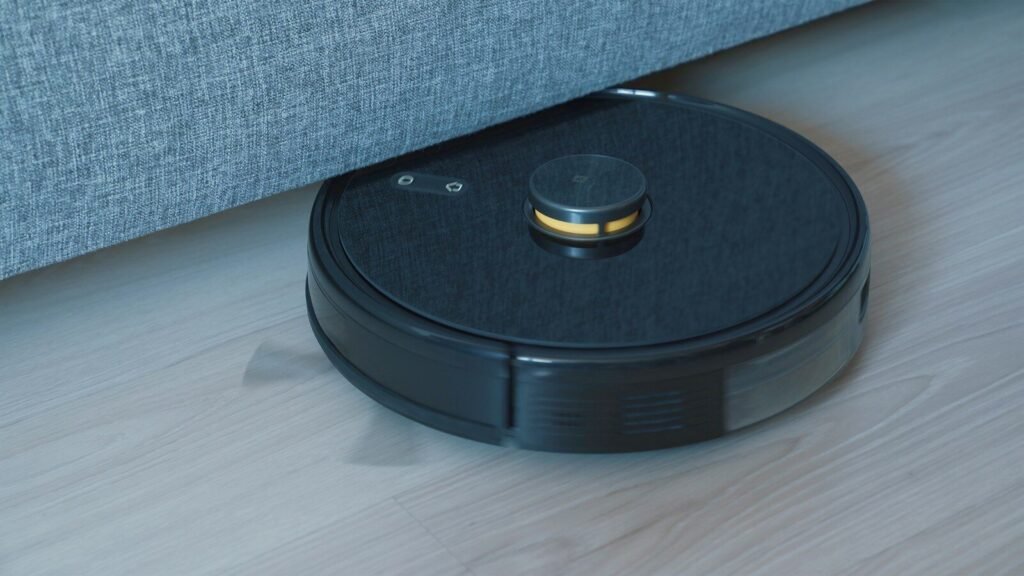
A good robot vacuum quietly changes your relationship with housework. Instead of a weekly vacuuming session, your floors get maintained every day while you do something else. But the category spans everything from basic bump-and-spin cleaners to self-emptying, self-mopping machines with laser mapping. Here is what actually matters when comparing them, so you pay for cleaning ability rather than marketing.
Navigation: The Single Biggest Difference
The most important spec on any robot vacuum is not suction power. It is how the robot finds its way around your home.
Random bounce vs smart mapping
Entry-level robots wander randomly, bouncing off walls and furniture until the battery runs low. In a small, uncluttered room they eventually cover most of the floor, but they miss spots, clean the same areas repeatedly, and get stuck often. Smart robots build a map of your home using laser rangefinding or camera-based vision, then clean in efficient straight lines.
Why mapping changes everything
A mapped robot lets you send it to specific rooms, set no-go zones around pet bowls or tangled cables, schedule different rooms on different days, and see where it has cleaned. This is the difference between a gadget that needs babysitting and an appliance you forget about. If your home has more than a couple of rooms, mapping is worth every cent of the premium.
Suction and Brushes: What Actually Cleans
Suction ratings are measured in pascals, and bigger numbers look impressive. In practice, brush design and airflow matter at least as much as raw suction. What to look for instead:
Brush types
Dual rubber roller brushes resist hair tangles far better than single bristle brushes, which matters enormously if you have pets or long hair. Rubber rollers are also easier to clean. Bristle brushes can dig slightly deeper into carpet pile, but the maintenance tradeoff is real.
Carpet vs hard floor performance
Most robots handle hard floors well. The differentiator is carpet, especially medium and high pile. Check independent reviews that measure debris pickup on carpet specifically, because manufacturer suction claims say nothing about real pickup rates. If your home is mostly carpet, prioritize models that reviewers rate highly on carpet, not the highest pascal number.
Edge and corner cleaning
Round robots cannot reach corners, so side brushes sweep debris into the path. Longer, well-designed side brushes and a low profile that fits under furniture matter more than most people expect. D-shaped robots reach corners better but are less common.
Self-Emptying Docks: The Convenience Upgrade
A self-emptying dock sucks the debris out of the robot into a larger bag or bin each time it docks. This turns emptying the dustbin from a daily chore into a monthly one, and it also means the robot can run scheduled cleans while you are away for days.
The tradeoffs: the dock is bulky and loud during the emptying cycle, which lasts a few seconds. Replacement bags add ongoing cost if the model uses bags rather than a bagless bin. For allergy sufferers, a sealed bag system that you never touch is a genuine benefit. If you run the robot daily, self-emptying is the most impactful upgrade you can buy.
Mopping: Realistic Expectations
Many robots now mop as well as vacuum, but mopping ability varies enormously.
Drag mops vs real scrubbing
Basic models drag a damp pad behind them, which lightly refreshes hard floors but does not scrub. Better models use rotating mop pads or vibrating mops with downward pressure, which actually lift stuck-on grime. The best systems lift the mop over carpet automatically so rugs stay dry.
Water and maintenance
Mopping robots need their water tanks filled and pads washed or replaced regularly, or they start smelling. Some premium docks wash and dry the mop pads automatically, which solves the grossest part of ownership. Be honest with yourself about whether you will maintain the mopping system; a neglected mop is worse than none.
Obstacle Avoidance: Cameras and Smarts
Basic robots bump into everything. Mid-range models slow down before contact. Top models use cameras or structured light to recognize and avoid specific obstacles like shoes, cables, and pet waste. If you have pets, true obstacle avoidance is not a luxury. It is the difference between a helpful appliance and a disaster. Camera-based models raise privacy questions for some buyers, so check whether the maker processes images on-device and what its data policies say.
Battery, Bin, and Noise
Battery life matters less than it seems because mapping robots recharge and resume where they left off. A bigger deal is the dustbin size on non-self-emptying models, which determines how often you intervene. Noise is worth considering if you work from home: most robots are quieter than an upright vacuum, but self-emptying docks are startlingly loud for a few seconds. Scheduling cleans while you are out solves both.
App Experience and Smart Home Integration
You will live in the companion app, so it matters. Look for reliable mapping with room editing, no-go zones, multi-floor map storage if you have stairs, and scheduling flexible enough for your routine. Voice assistant integration is handy for starting a quick clean. Check app store reviews for the specific brand, because a great robot with a crashy app is a daily annoyance.
Maintenance: The Hidden Cost of Ownership
Every robot vacuum needs regular care: emptying the bin or dock bag, cleaning hair from brushes and wheels, wiping sensors, and replacing filters and brushes on schedule. Before buying, check the price and availability of replacement parts. Models with washable filters and easily available third-party parts cost less to run. A robot you maintain lasts years; a neglected one declines within months.
What Should You Spend?
Budget robots suit small, simple homes with hard floors and no pets. They clean adequately if you tidy first and accept some babysitting. Mid-range mapping robots are the sweet spot for most homes: efficient navigation, room control, and solid cleaning without the premium price. Premium models with self-emptying docks, advanced obstacle avoidance, and serious mopping earn their keep in larger homes, pet households, and for anyone who wants true set-and-forget operation.
Match the tier to your home’s complexity, not your enthusiasm. A basic apartment does not need a flagship, and a sprawling pet-filled house will frustrate a budget bot.
The Bottom Line
Prioritize navigation first, then brush design and real-world carpet performance, then the convenience features that match your life: self-emptying for daily runners, obstacle avoidance for pet owners, and serious mopping only if you will maintain it. The right robot vacuum is the one that cleans your actual home with minimal intervention from you.
Frequently Asked Questions
Are robot vacuums good enough to replace a regular vacuum?
For maintenance cleaning, yes. A robot running several times a week keeps floors consistently cleaner than a weekly manual session. You will still want a full-size vacuum for deep cleaning, stairs, upholstery, and car interiors, but the robot handles the daily grind.
Do robot vacuums work on dark or black carpets?
Some models struggle because their cliff sensors mistake dark carpet for a drop-off. Many newer robots handle this better, and some let you disable or cover cliff sensors at your own risk near actual stairs. Check reviews for the specific model on dark flooring if this applies to your home.
How often should a robot vacuum run?
For most homes, three to five times a week keeps floors consistently clean. Pet households benefit from daily runs. The beauty of scheduling is that frequency costs you nothing once it is set up, except slightly more maintenance.
Are camera-based robot vacuums a privacy risk?
Cameras help with navigation and obstacle avoidance. Reputable makers process this data on the device and describe their policies clearly. If it concerns you, choose a laser-only model without a camera, which navigates excellently without capturing images of your home.
How long do robot vacuums last?
Three to five years is typical with regular maintenance. Batteries are usually the first thing to fade and are replaceable on many models. Keeping brushes, filters, and sensors clean does more for longevity than any feature on the spec sheet.