
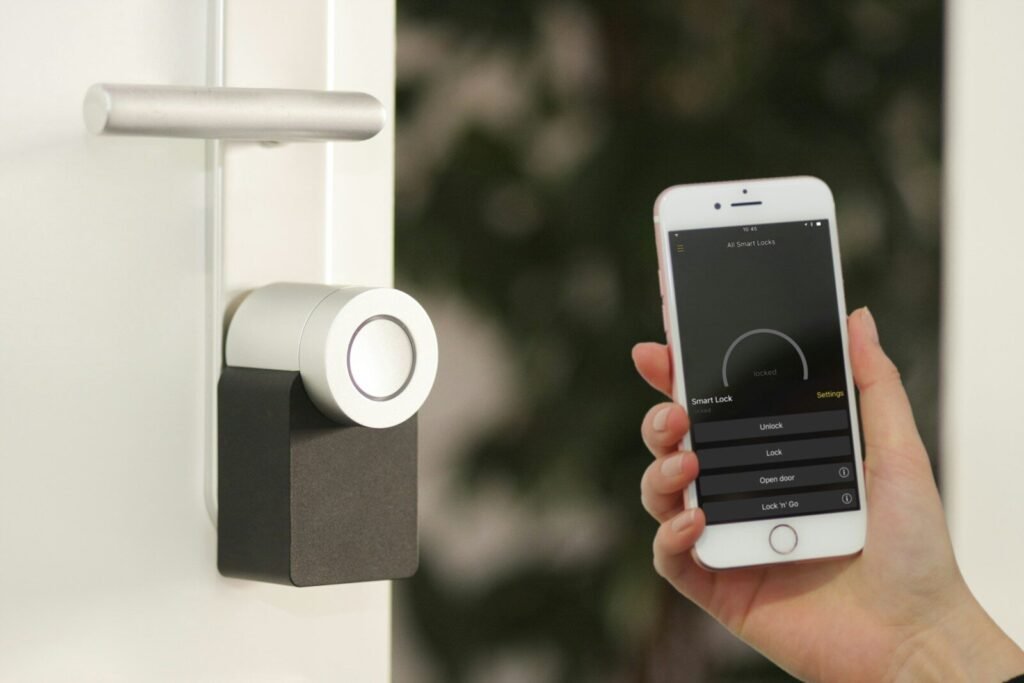
Smart homes have a dirty secret: the gadgets often refuse to talk to each other. Your light bulbs work with one voice assistant, your doorbell with another, and your thermostat needs its own app. Buy the wrong brand and you end up juggling half a dozen apps to run one house. Matter is the industry’s ambitious attempt to fix this mess, a single open standard that lets smart home devices from different brands work together. Here is what it is, how it works, and whether you should care yet.
What Matter Actually Is
Matter is an open smart home standard developed by the Connectivity Standards Alliance, with backing from Apple, Google, Amazon, Samsung, and most major smart home brands. It is not a new wireless technology or a product you buy. It is a common language: a set of rules that certified devices use to communicate, regardless of who made them.
The promise is simple. A light bulb with the Matter logo works with Apple Home, Google Home, Alexa, and SmartThings, all at once if you want. You set it up in whichever app you prefer, control it from any of them, and it keeps working even if you switch platforms later. No more checking compatibility charts before buying a sensor, and no more being locked into one company’s ecosystem because your devices only speak its language.
The Problem Matter Solves
The compatibility maze
Before Matter, every smart home platform had its own requirements. A device maker had to build and certify separate versions for each ecosystem, which is why so many products supported only one or two platforms. Consumers faced a bewildering question with every purchase: will this work with my setup? The wrong guess meant returns, workarounds, or a drawer full of abandoned gadgets.
Why previous attempts failed
This is not the first try at unifying the smart home. Earlier efforts failed because they were controlled by single companies with competing interests, or because they solved only part of the problem. Matter is different in one crucial way: the biggest platform owners all agreed to support it, because they realized that a fragmented market was slowing everyone’s growth. When Apple, Google, and Amazon all back the same standard, device makers have a real incentive to adopt it.
How Matter Works
The radios underneath: Wi-Fi, Thread, and Ethernet
Matter runs on top of familiar networking technologies rather than inventing new ones. Wi-Fi handles bandwidth-hungry devices like cameras and speakers, Ethernet covers wired devices, and Thread is a low-power mesh network ideal for battery-powered sensors, locks, and bulbs. Thread is worth knowing about: devices relay messages for each other, so coverage improves as you add more gadgets, and it sips power compared to Wi-Fi. Many newer smart home hubs and speakers double as Thread border routers, bridging Thread devices to your Wi-Fi network.
Local control and multi-admin
Two of Matter’s best features are invisible. First, devices communicate locally over your home network rather than round-tripping through distant cloud servers, which means faster responses and automations that keep working when your internet goes down. Second, multi-admin lets a single device be controlled by multiple platforms simultaneously. Pair a Matter lock with Apple Home for the family iPhones and with Alexa for voice control, without choosing sides.
What the logo means
The Matter logo on a box certifies that the device passed interoperability testing. Setup uses a QR code or numeric code scanned into any Matter-compatible app, a process designed to be consistent across brands. In practice, setup is much smoother than the old days of hunting for the right app, though occasional quirks remain as the standard matures.
What Matter Covers, and What It Does Not
Matter launched with support for the most common device types: lights, plugs, switches, thermostats, locks, sensors, blinds, and TVs. Coverage has expanded with each specification update to include robot vacuums, appliances, and more. But gaps remain. Security cameras, for example, took longer to arrive in the standard, and some advanced device-specific features may still require the manufacturer’s own app. Matter guarantees the basics work everywhere; the fancy extras sometimes stay exclusive to the native app.
It is also worth understanding what Matter is not. It does not replace your smart home platform, you still use Apple Home, Google Home, Alexa, or SmartThings as your interface and automation engine. It does not make old devices compatible by magic, though some manufacturers have added Matter support to existing products through software updates, and bridges can bring older devices into a Matter setup. And it does not eliminate the need for a hub or border router for Thread devices, though the hub you already own may already do the job.
Should You Buy Matter Devices Now?
Yes, if you are starting or expanding
If you are building a smart home from scratch or adding devices to an existing setup, choosing Matter-certified versions is the safest bet for future flexibility. The price premium, if any, is usually small, and you gain the freedom to switch platforms later without replacing hardware. Look for the Matter logo alongside support for your preferred platform.
Wait on replacing working gear
There is no need to rip out functioning devices just to get the logo. If your current gadgets work well with your platform, keep them. Replace with Matter versions naturally as devices age out or when you want features that only new models offer. Bridges from major hub makers can extend the life of older ecosystems within a Matter setup.
What to check before buying
Confirm the specific model carries Matter certification, not just the brand, since manufacturers certify product by product. Check that your phone, hub, or smart speaker supports Matter controller functionality, most recent devices from the big platforms do. And for Thread devices, make sure you have a Thread border router on your network, which many current smart speakers and streaming devices already provide.
The Bigger Picture
Matter represents a rare moment of cooperation in an industry famous for walled gardens. Its success is not guaranteed, standards can stall, and the devil is in the certification details. But the direction is clear and consumer-friendly: buy any brand, use any platform, change your mind later. After a decade of smart home fragmentation, that is a future worth rooting for. The next time you shop for a smart bulb or lock, the Matter logo is the simplest signal that it will play nicely with whatever you already own.
Frequently Asked Questions
Do I need a hub to use Matter devices?
For Wi-Fi and Ethernet Matter devices, usually not, your phone and home network are enough. Thread-based devices need a Thread border router, but many modern smart speakers, streaming boxes, and hubs already include one.
Will Matter make my old smart home devices work together?
Not directly. Some manufacturers have added Matter support to existing devices via updates, and bridge devices can connect older products into a Matter network. But most legacy gadgets will keep working exactly as they do today, within their original platforms.
Is Matter better than Zigbee or Z-Wave?
Matter is an application-layer standard that can run over Thread, Wi-Fi, or Ethernet, while Zigbee and Z-Wave are complete wireless protocols. Many Zigbee and Z-Wave devices can join Matter networks through bridges. For new purchases, Matter-certified devices offer the broadest platform compatibility.
Does Matter work without the internet?
Local control is one of Matter’s strengths: basic device control and automations run over your home network even if your internet connection drops. Remote access from outside the home and some cloud features still need internet, as with any smart home system.
Which platforms support Matter?
Apple Home, Google Home, Amazon Alexa, and Samsung SmartThings all support Matter, along with many smaller platforms and open-source projects. Support keeps expanding with each platform update.